The global climate crisis requires the construction industry to contribute to meeting a target of net zero for UK greenhouse gas (GHG) emissions by 2050.
Campaigns such as AJ’s ‘RetroFirst’, launched in 2019, encourages the priority of considering the re-use of existing buildings over demolition and rebuild, as well as lobbying for policy changes to support this approach. The emphasis is now starting to shift from a dominance of new build solutions to creatively imagining how to re-use existing building stock instead. Often buildings have accrued over time layers of unsympathetic additions which reduce the apparent value and usefulness of the building.
Sustainability-Creative re-use, working with existing buildings and places
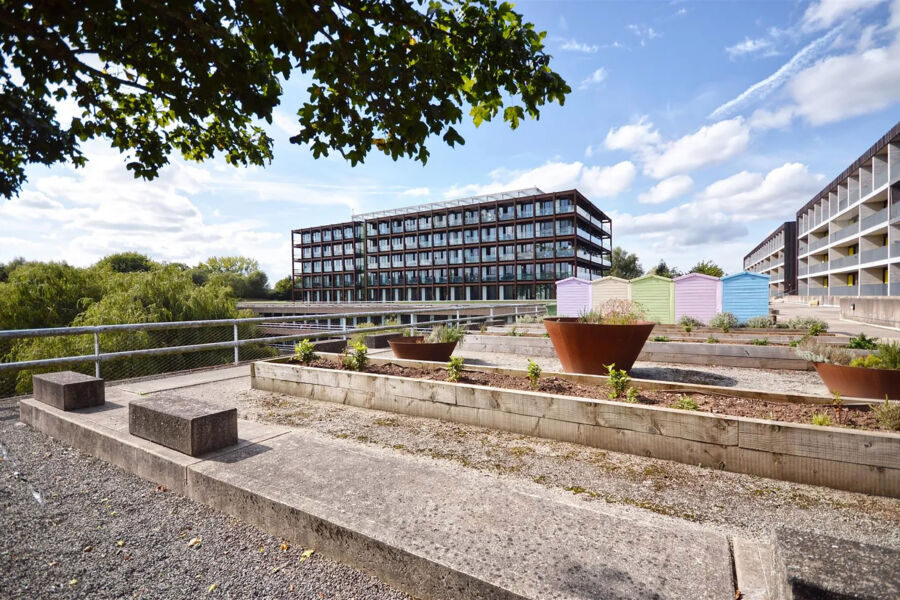
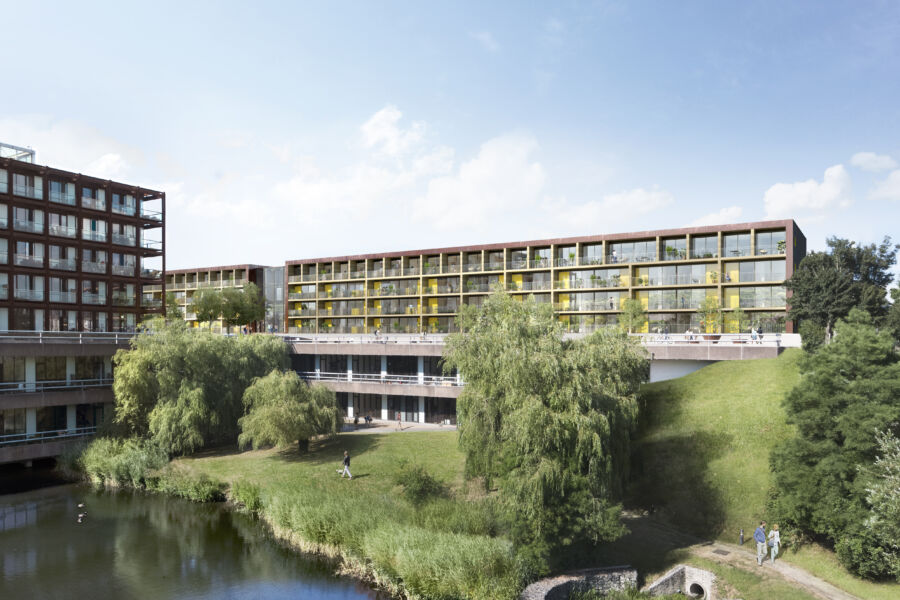
Project case studies stretching from the 1980’s illustrate Ferguson Mann Architect’s interest in working with existing buildings of character and testing how to refurbish or create spaces within them to meet new functional needs. The constraints of working within and adding to existing buildings have often required ambitious, innovative solutions and challenging the ‘norm’.
Buildings are not considered in isolation but part of a bigger picture that respond to context and place whilst delivering design solutions that are environmentally, socially, and economically sustainable.
The practice’s background in working with heritage projects with our own in-house expertise, naturally supports the process of understanding what is good and valuable in an existing building and site. A natural part of our thinking and design process is considering how this can be harnessed to create both a sense of distinctiveness and a lasting legacy for both the users and wider community. Allowing historic buildings to adapt and respond to changing needs and functionality safeguards their continued relevance and use as well as the physical preservation of building fabric. Interventions and fit-outs that are flexible and loose-fit have a long-term value both for new build and historic buildings and when considering whole-life carbon impacts.
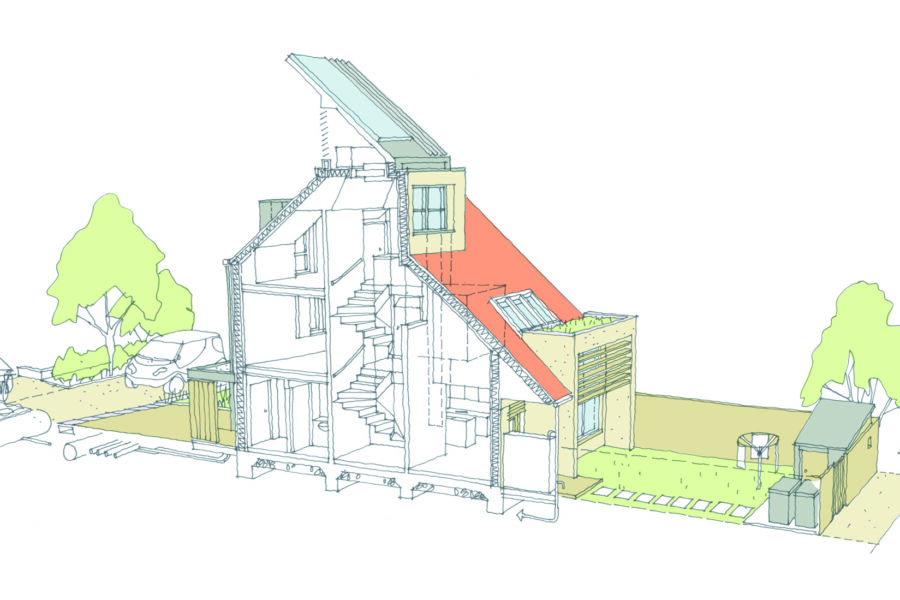
The practice offers our clients a wealth of experience and knowledge to help to achieve their vision across the spectrum of building types and uses. Careful design strategies can achieve substantial embodied energy savings and improved thermal performance to deliver beneficial outcomes for the client and project. The practice’s technical expertise, hand in hand with conservation skills, balances energy reduction with preservation of historic fabric.
- Listed Buildings
- Ecclesiastical
- Industrial
- Civic
- Military
- Domestic
- 20th Century